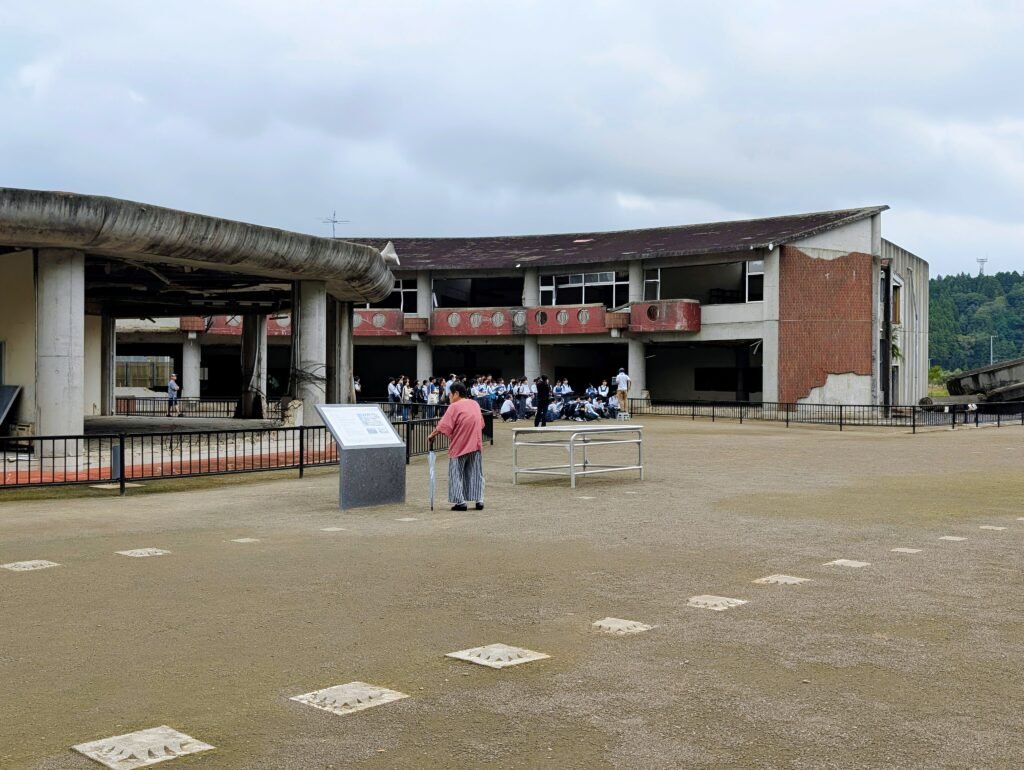
A Place of Memory in Ishinomaki
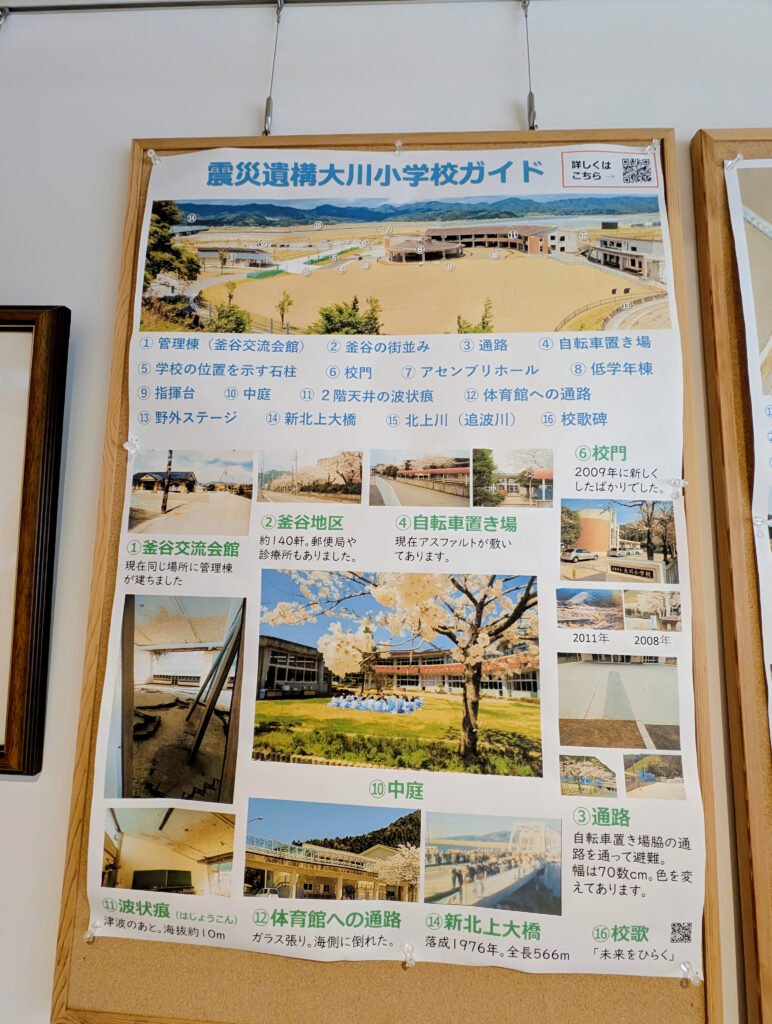
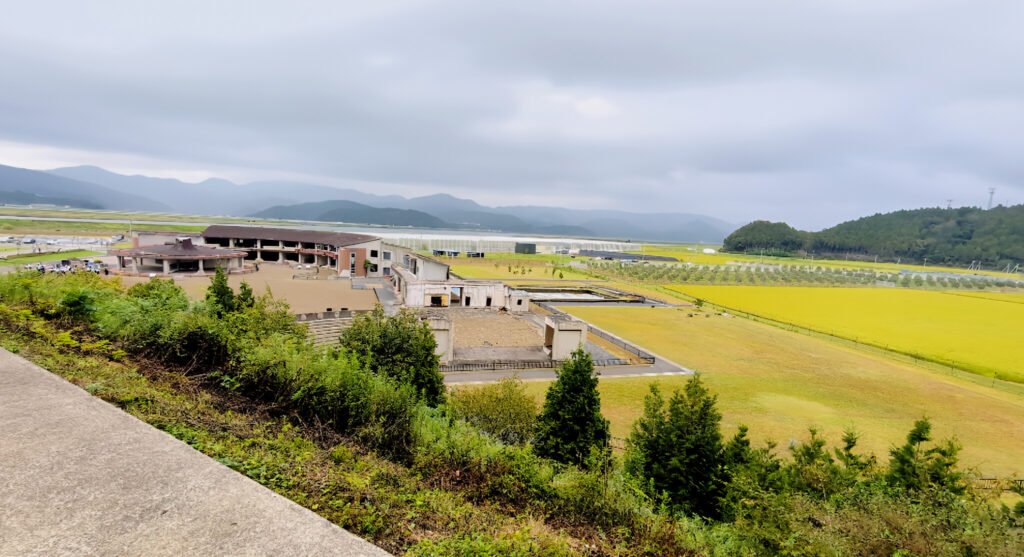
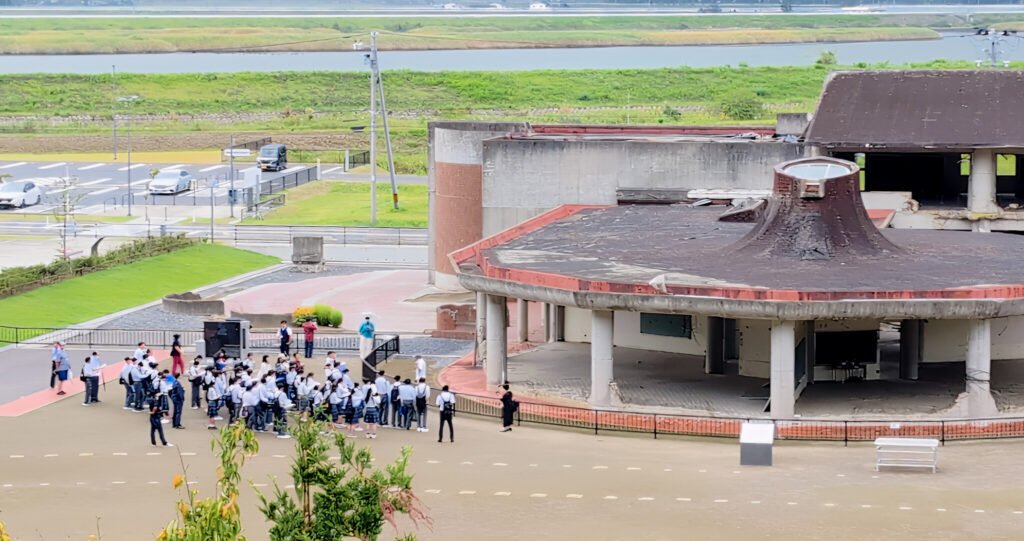
In the quiet fields of Ishinomaki, the ruins of the Okawa Elementary School Tsunami Memorial (大川小学校) stand as one of the most powerful reminders of the 2011 Great East Japan Earthquake and Tsunami. Once filled with laughter and dreams, the school has now become a solemn place of reflection and remembrance.
On March 11, 2011, tragedy struck. Out of 108 students, 74 children and 10 teachers lost their lives, while only a few managed to survive. Even today, their story continues to move the hearts of visitors from across Japan and around the world.
This site is not only a memorial — it is also a warning for the future. The ruins remind us why disaster education, critical thinking, and early evacuation are vital. They teach us that even a few seconds of hesitation can mean the difference between life and death.
Therefore, every visit to Okawa School becomes a lesson in awareness, courage, and hope — a reminder that while nature’s power can take lives, resilience can help save them.
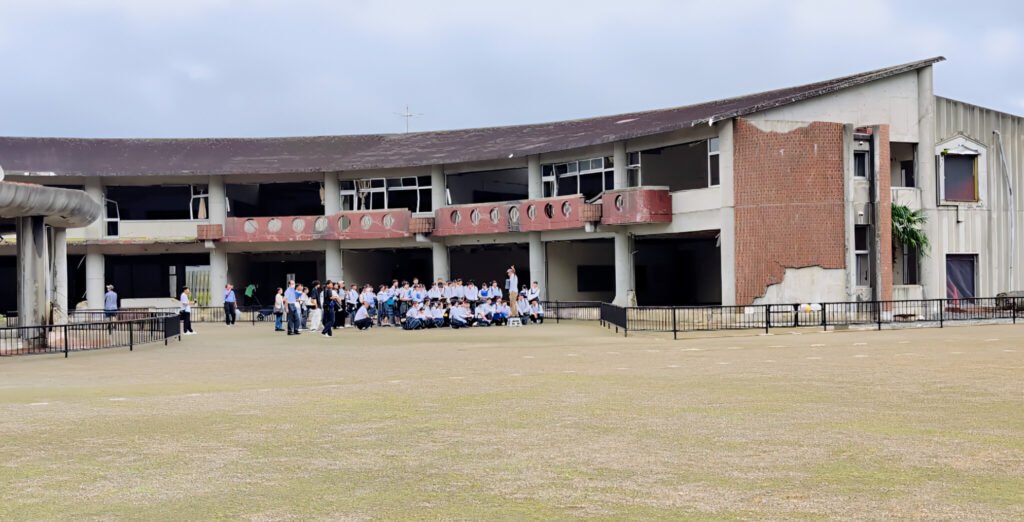
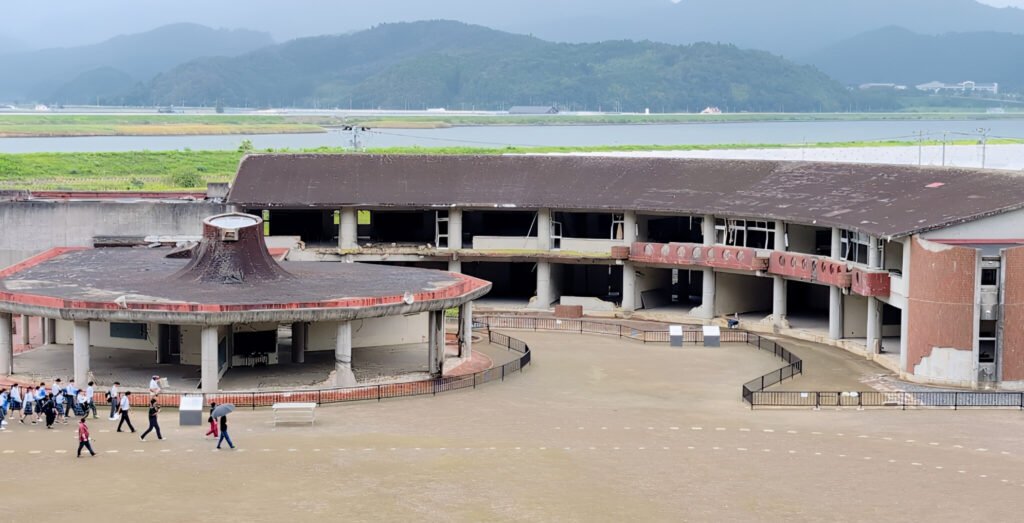
The Moment of Confusion and the Lessons Left Behind
During the confusion of that tragic day, some believed safety might come from the direction of the river. Others thought of running toward the mountain behind the school, which offered higher ground. However, in those few moments of uncertainty, the tsunami surged upstream and swallowed the area.
This single decision sealed the fate of many children. Yet, this story is not told to assign blame, but to teach. It has become a timeless lesson for future generations. In moments of crisis, every second counts, and every choice can mean the difference between life and death.
Moreover, the Okawa tragedy reminds us of the importance of preparedness, awareness, and quick decision-making. Therefore, Japan continues to strengthen its disaster education and community programs, ensuring that such a heartbreaking event will never be repeated.
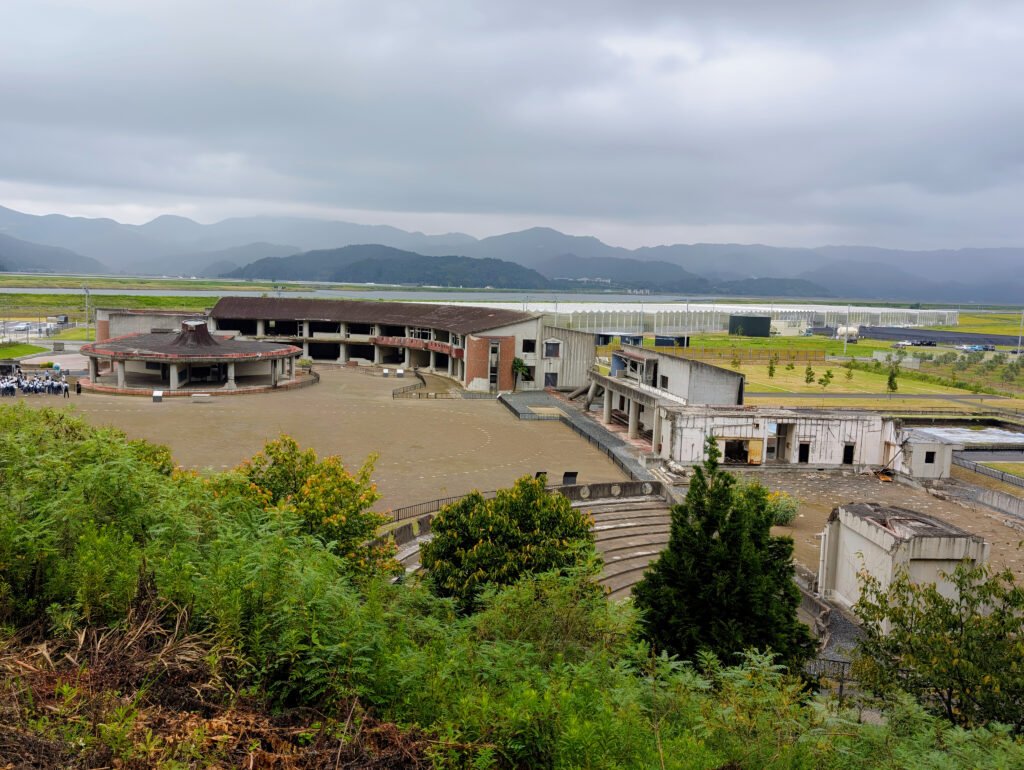
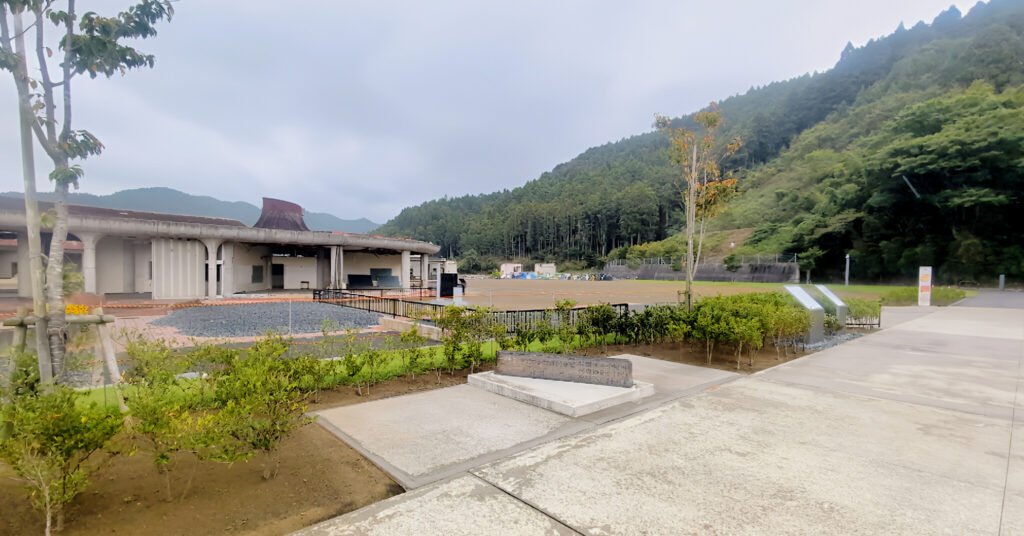
Inside the Ruins – Silent Witness to the Past
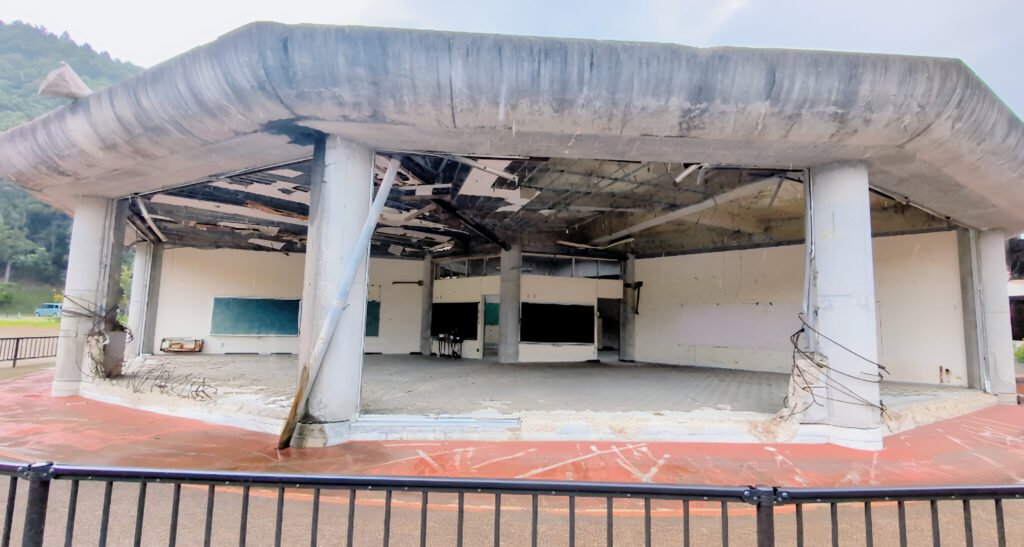
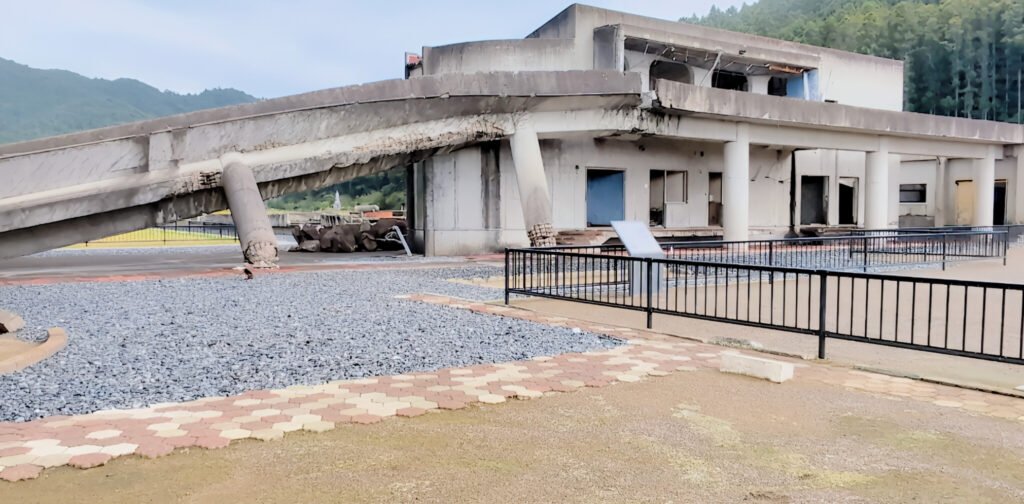
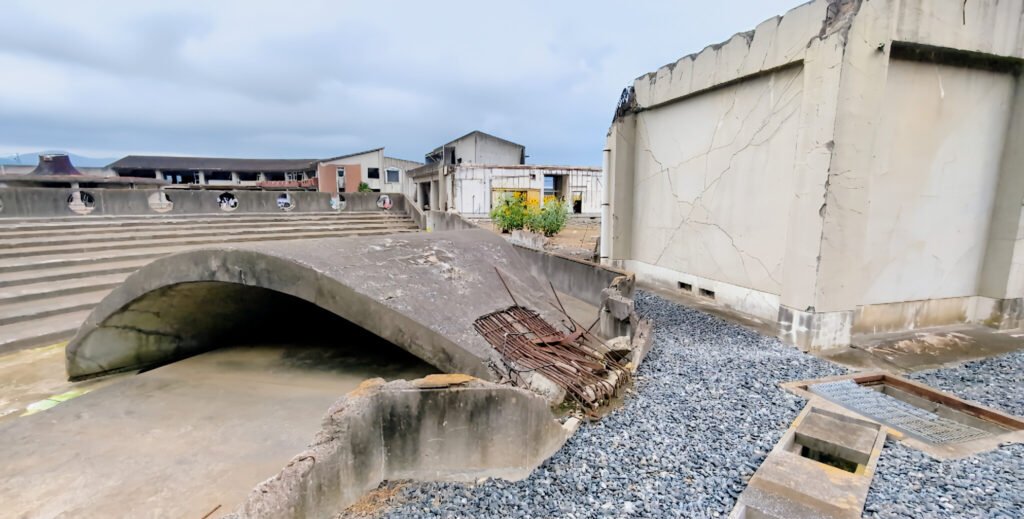
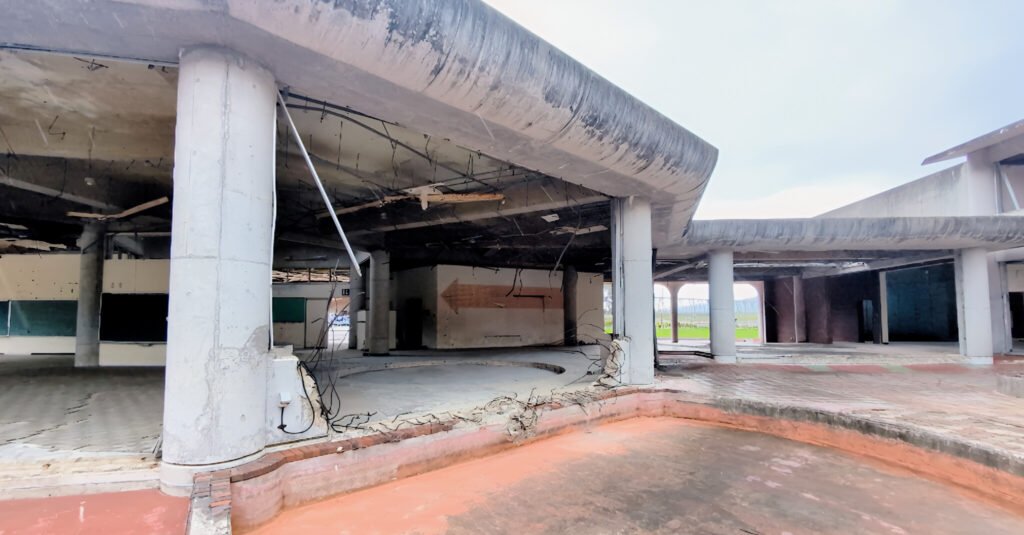
Walking through the site today, the silence feels overwhelming. Broken classrooms, collapsed walls, and empty corridors remain untouched since the 2011 Great East Japan Earthquake and Tsunami. As a result, every corner stands as a solemn reminder of what was lost — and of what must never be forgotten.
Each wall seems to whisper the stories of children who should have gone home that day. The halls echo with memories of laughter, lessons, and dreams that ended too soon. Moreover, the quietness invites visitors to pause and reflect on preparedness, quick action, and the fragility of life.
Indeed, every step inside these ruins is a reminder of lives interrupted too soon. Yet, it also symbolizes hope — an invitation to remember, rebuild, and rise again.
Personal Belongings – A Child’s Story Frozen in Time
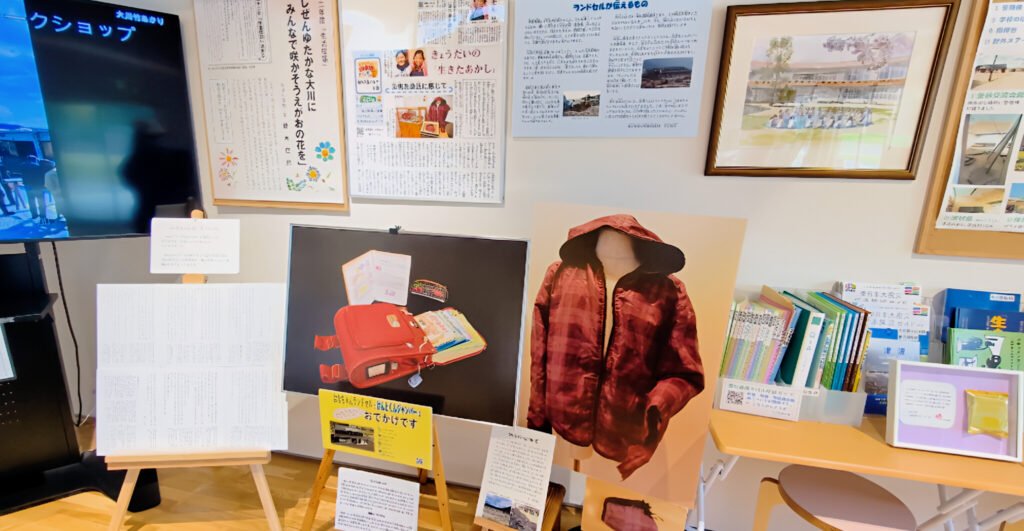
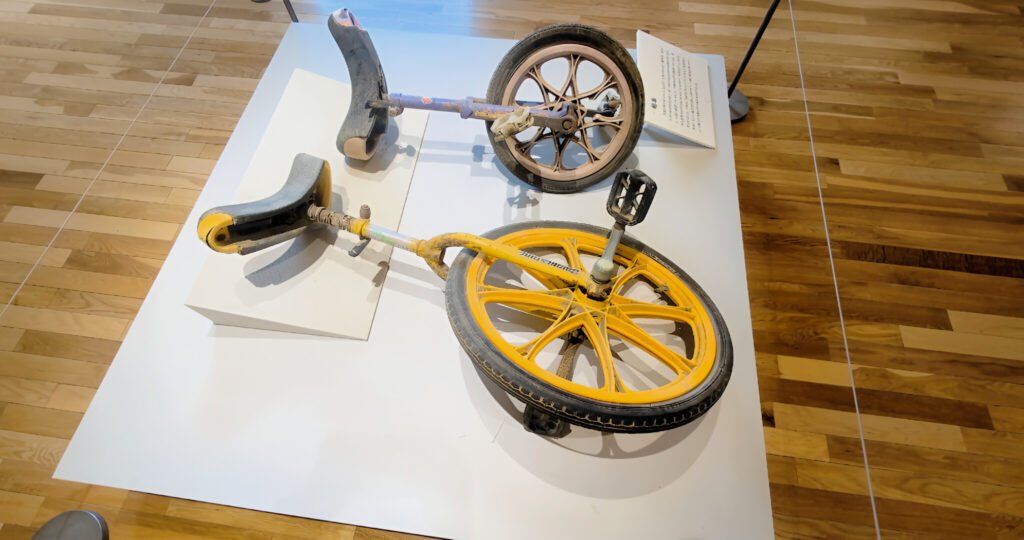
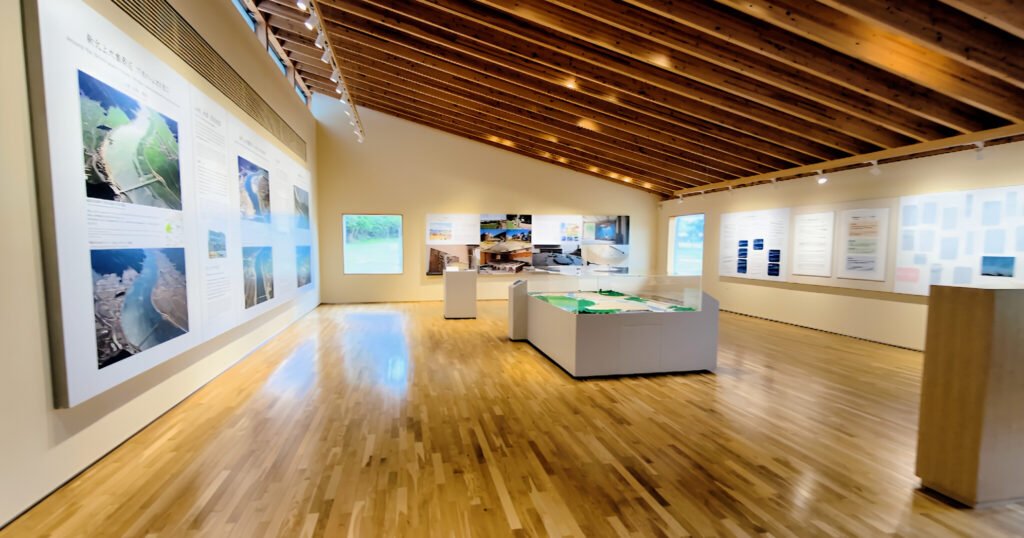
Inside the nearby Okawa Tsunami Memorial Hall (大川震災伝承館), the tragedy becomes deeply personal. Each object tells a story — a red school bag, notebooks filled with handwriting, a jacket once worn on a normal school day, and a bicycle now standing still in time.
These belongings are more than artifacts. They remind us that behind every statistic was a child, a son, a daughter, and a friend. Moreover, each display carries emotions that connect visitors to the children’s laughter, dreams, and unspoken hopes.
As you walk through the exhibits, you can almost feel their presence. Every belonging transforms sorrow into a powerful message — prepare, protect, and never forget.
Ultimately, the Memorial Hall transforms grief into purpose. It ensures that the stories of Okawa’s children continue to inspire awareness, safety, and compassion for generations to come.
Lessons for a Safer Future
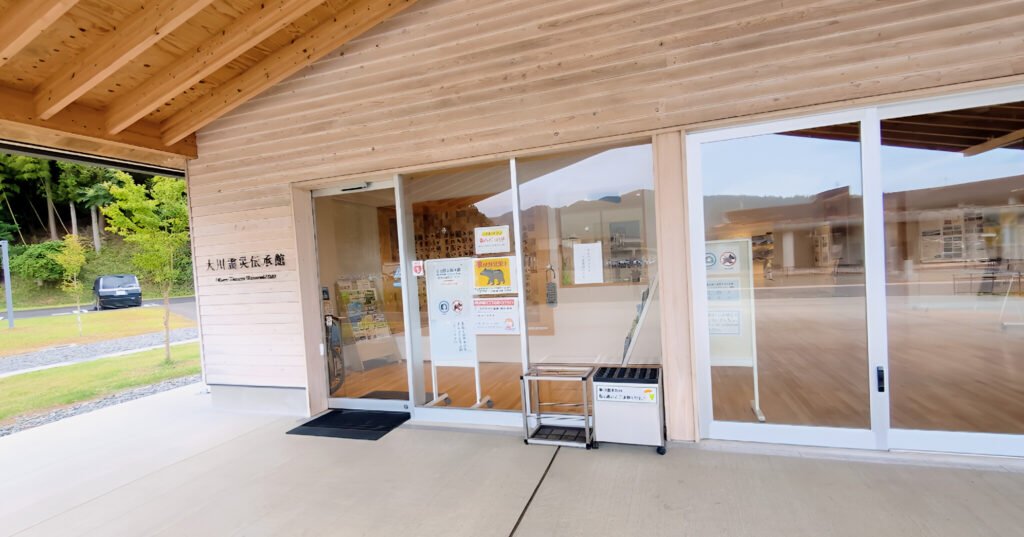
The Okawa Tsunami Memorial Hall (大川震災伝承館) stands beside the school’s ruins, sharing not only memories of the past but also important lessons for future generations. Inside, visitors learn about tsunami science, evacuation strategies, and the voices of grieving families whose stories remind us why preparedness matters.
Here, every lesson carries hope and purpose:
Respect nature’s power. Tsunamis can move quickly and destroy everything in their path.
React immediately. Higher ground is always safer — every second can save lives.
Educate the young. Children must learn to act decisively, even without waiting for adult instruction.
Moreover, the exhibits emphasize that safety education should not end in the classroom. It must live on in communities, families, and everyday life. Through remembrance comes awareness, and through awareness comes resilience.
Ultimately, Okawa’s story continues to guide Japan and the world, reminding us that the key to survival lies in respect, preparation, and swift action.
Reflection – From Tragedy to Resilience
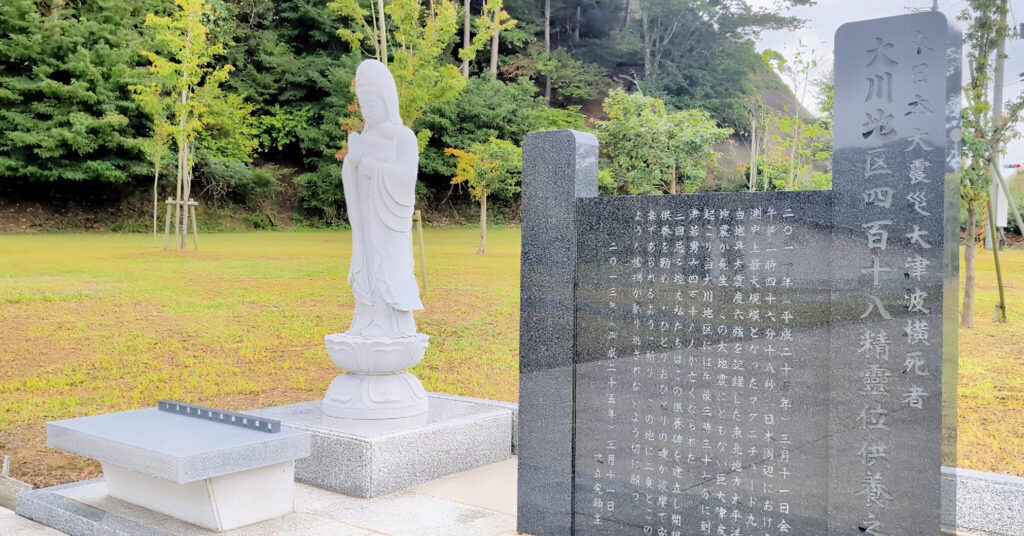
The Okawa Tsunami Memorial Hall (大川震災伝承館) stands today as both a place of remembrance and a symbol of hope. Here, every corner whispers a lesson, every monument tells a story, and every visitor leaves with a deeper understanding of life’s fragility.
Ultimately, the memorial reminds us to:
Respect nature’s power. Never underestimate how quickly the sea can change.
React immediately. Every second matters, and higher ground can save lives.
Educate the young. Teach children to act with courage and awareness in moments of uncertainty.
Through remembrance, loss transforms into wisdom. The pain of the past becomes a guide for the future — one that teaches strength, safety, and compassion. By honoring every life lost at Okawa Elementary School in Ishinomaki, we carry forward a legacy of resilience and awareness.
As visitors walk away from this sacred site, the quiet landscape becomes a place of reflection. Even from the deepest sorrow, hope rises again — softly, yet surely.
For more stories about Japan’s resilience, visit Japan Lens by GraceyG.
Learn more about disaster preparedness through the United Nations Office for Disaster Risk Reduction.
Explore official disaster prevention and recovery information from Miyagi Prefecture.